Fantasy, Friendship, and All the Feels—Witch Hat Atelier Conjures Magic on Every Page
Featuring Witch Hat Atelier by Kamome Shirahama
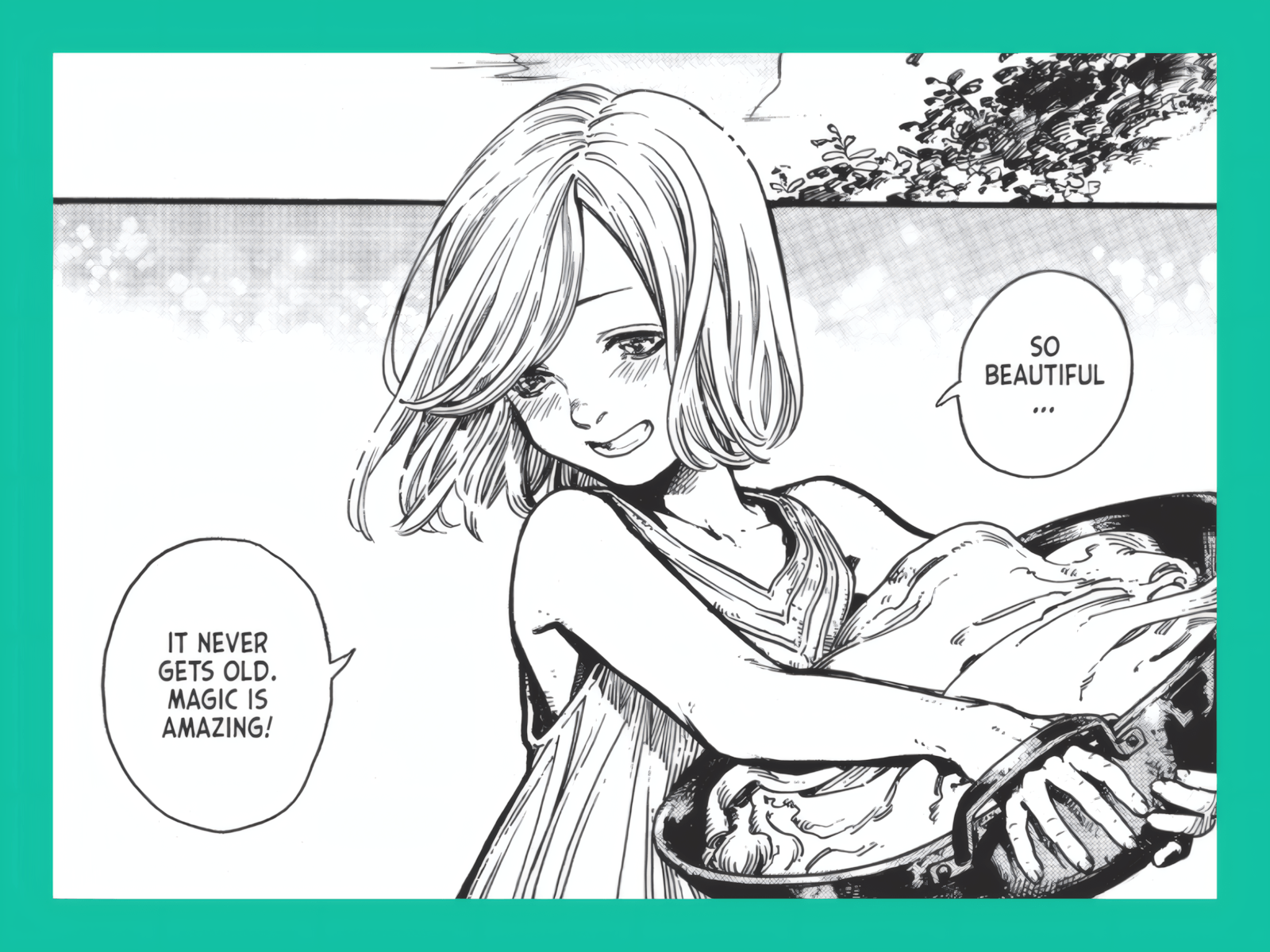
Most rules are made to protect people. But sometimes rules must be broken—and that’s where the magic begins.
Witch Hat Atelier is a lushly illustrated coming-of-age tale of witches and fantasy in a world where magic is a limited thing, used only by those who were born with the power to wield it. Yet when a young girl named Coco uncovers the truth—that magic is not an innate gift but a skill anyone can learn—witches are forced to reckon with the possibility that their rules and secrets are not as virtuous as they believed.
“In my mind, fiction and fantasy have an allegorical dimension at their core,” author Kamome Shirahama says in an interview with the Japanese site Creator’s Map. “It’s precisely because it isn’t the real world that you can illuminate real-world problems even more vividly, and that people everywhere can look at them from a level perspective—that’s what I consider essential to depicting another world.”
The realism of Shirahama’s fantasy makes it a stand-out in the genre. Winner of the Harvey Award for Best Manga in both 2020 and 2025, as well as a 2020 Eisner Award, Witch Hat Atelier is a tale that belongs on the shelves of anyone ready to believe in the magic of art.
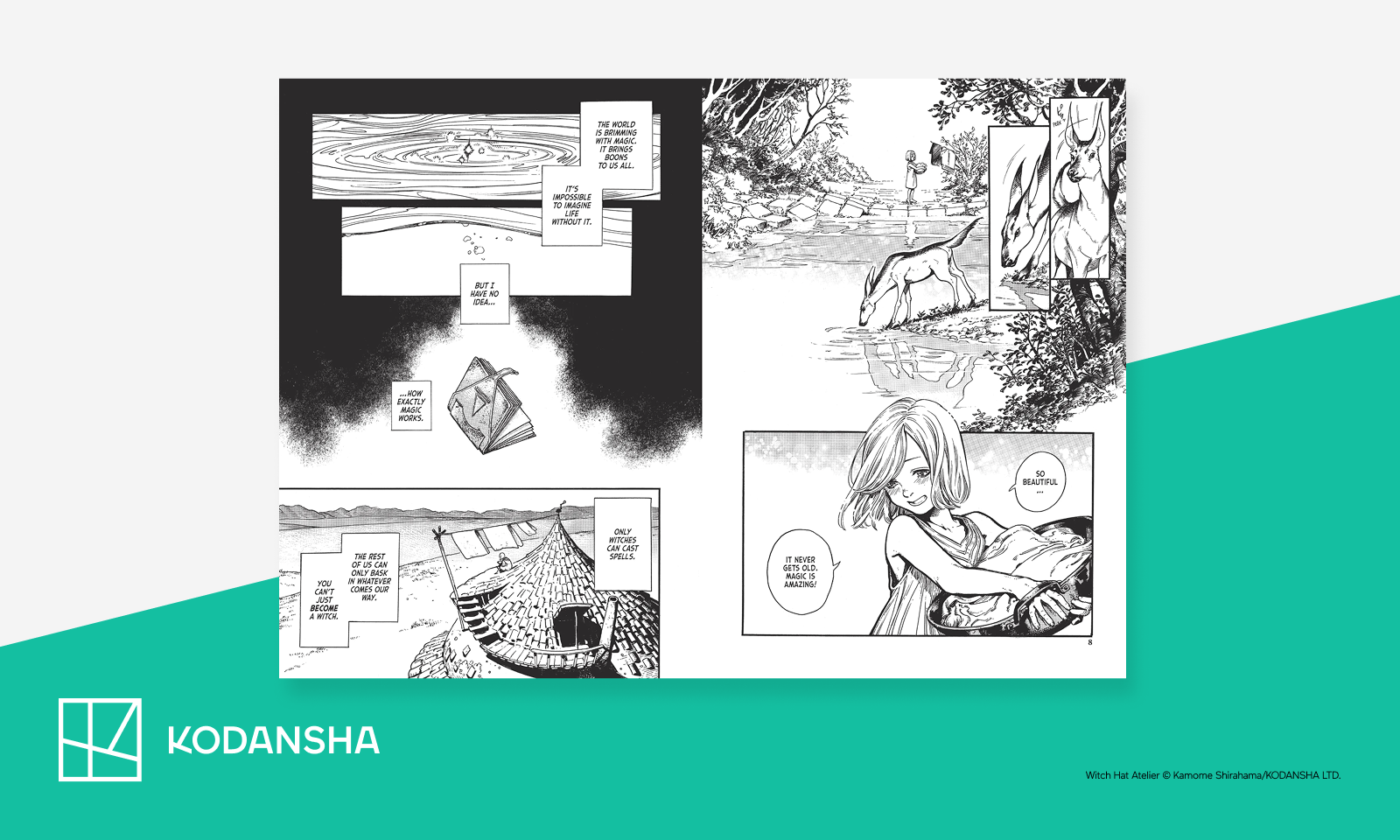
The Magic of Art Showcases the Art of Magic
In the world of Witch Hat Atelier, spells are cast by drawing seals: circular emblems made up of runes, sigils, and other components that activate when completed correctly. After Coco secretly observes a traveling witch named Qifrey drawing a seal, she attempts to draw her own using a reference book and ink once gifted to her by a masked witch at a festival—with catastrophic results! But instead of erasing Coco’s memories of the secret of magic, as the rules say he must, Qifrey takes Coco under his wing as an apprentice witch.
It only takes a single page of Witch Hat Atelier to immediately recognize Shirahama’s extraordinary technical ability. Inspired by fantasy novels like J.R.R. Tolkein’s The Lord of the Rings and Michael Ende’s The Neverending Story and Momo, Shirahama has constructed a full and rich universe with a logic behind the magic that feels so real, many readers have surely tried to cast their own spells.
Even more decadent than the story and character-building is Shirahama’s artwork. A graduate of Tokyo University of the Arts, Shirahama began her career as a freelance illustrator, working on art for various projects in the American comic space, including with Marvel and DC. Then, when a manga editor approached her at an event for self-published manga and illustration, the idea to write her own manga was born.
For her work on Witch Hat Atelier, Shirahama cites influences such as Mœbius—one of the greats of the Franco-Belgian bande dessinée tradition—and American comic artists among her inspirations. Every page is brimming with expression, intricate architectural detail, and elaborately patterned costumes that reward those who take their time before turning the page.
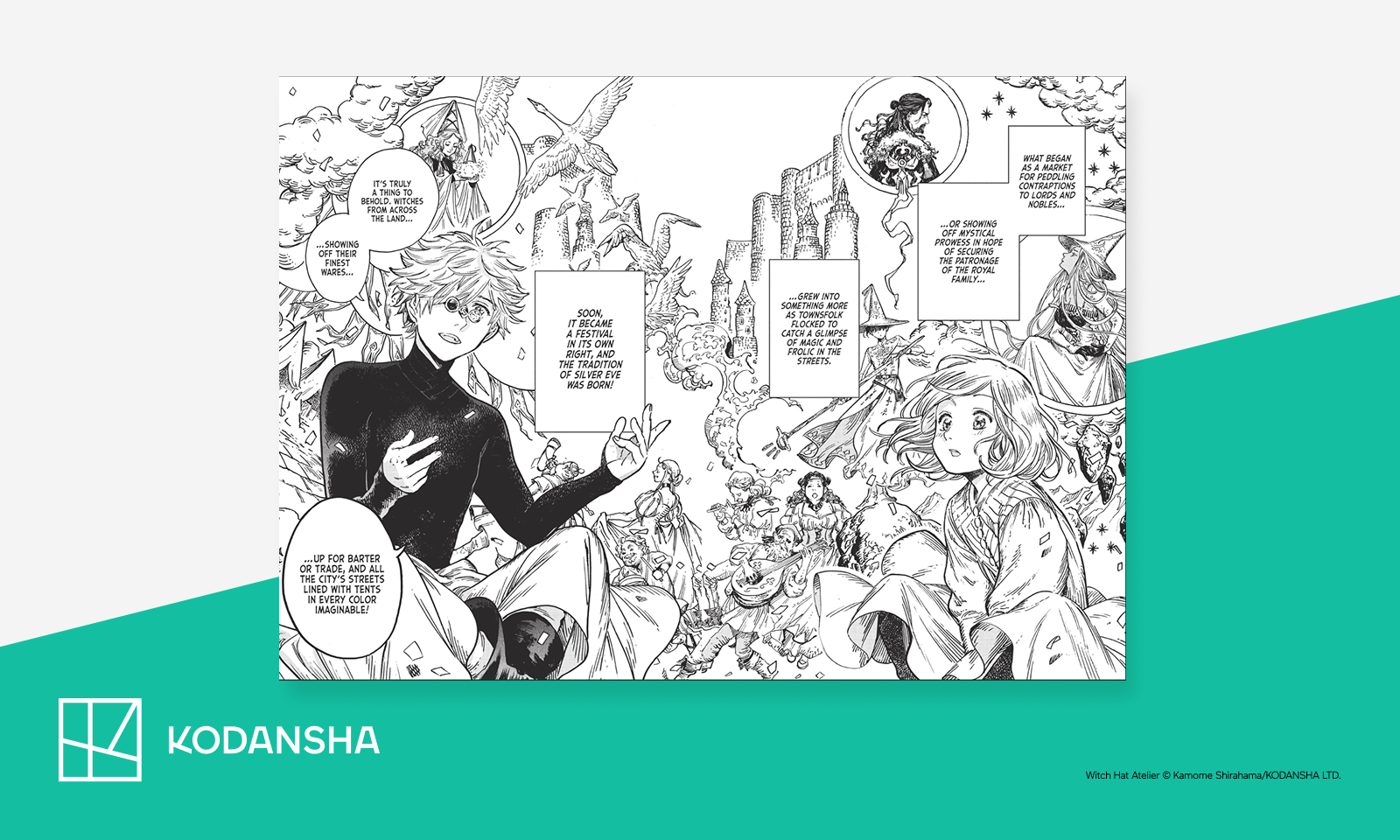
Spreading Magic Around the World
Perhaps because of Shirahama’s unique blend of Japanese and Western styles, the series has captivated readers everywhere. The manga has sold over 7.5 million copies worldwide and the recent anime adaptation has accrued a 4.9 star rating on Crunchyroll from over 45,000 viewers.
“Initially, I didn’t truly expect the work to be recognized so widely, beyond Japan’s borders,” Shirahama told the UNESCO Courier. “But since I work on American comics projects, I had overseas readers and manga fans in mind from the very beginning as part of the audience. That may have helped shape the way I thought about the work and its potential reach.”
But most likely, the reason Witch Heart Atelier has swayed so many hearts is because of the universality of the message it evokes.
“This is a story about possibility. Even a child without special inborn abilities can become a magic-user. That framework is central to the story, but so is the emotional idea behind it: the possibility that someone who seems ordinary, or who feels excluded from a world of talent, may still find a way into it,” Shirahama says. “That’s one of the reasons I hope the story can speak to readers who feel uncertain about themselves.”
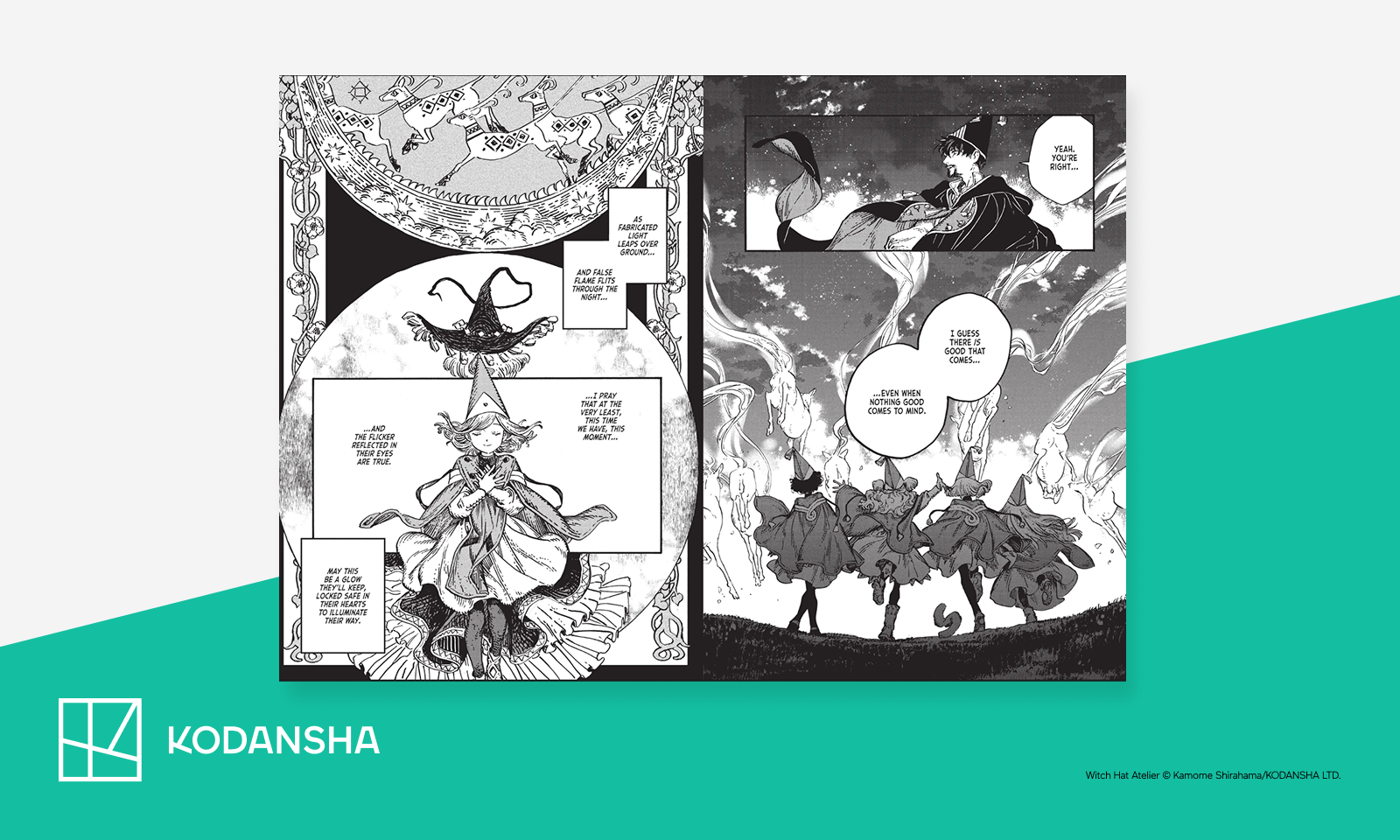
Experience the series in all its splendor with the special hardcover Grimoire Edition—a collection of volumes 1–3!